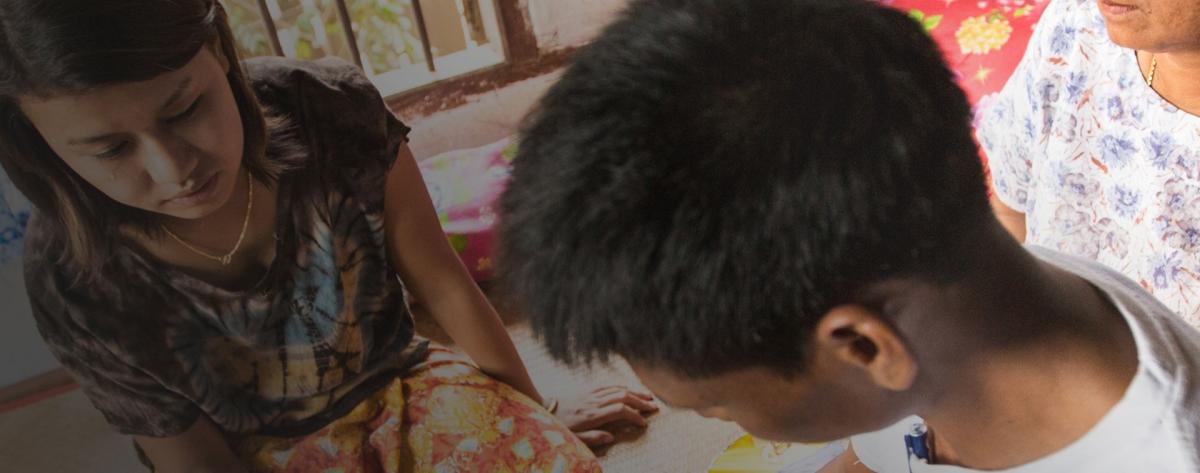
Funded by a grant from the Regional Artemisinin-resistance Initiative (RAI) Save the Children has trained more than 100 village health volunteers in the Shadaw, Loikaw and Mese townships in Kayah State in Myanmar. This area has been identified as having credible evidence of artemisinin resistance. It is also an area where migrant workers frequently cross the border to and from neighbouring Thailand.
The training is done in partnership with the Civil Health Development Network and regional/state health departments, under the guidance of the National Malaria Control Programme.
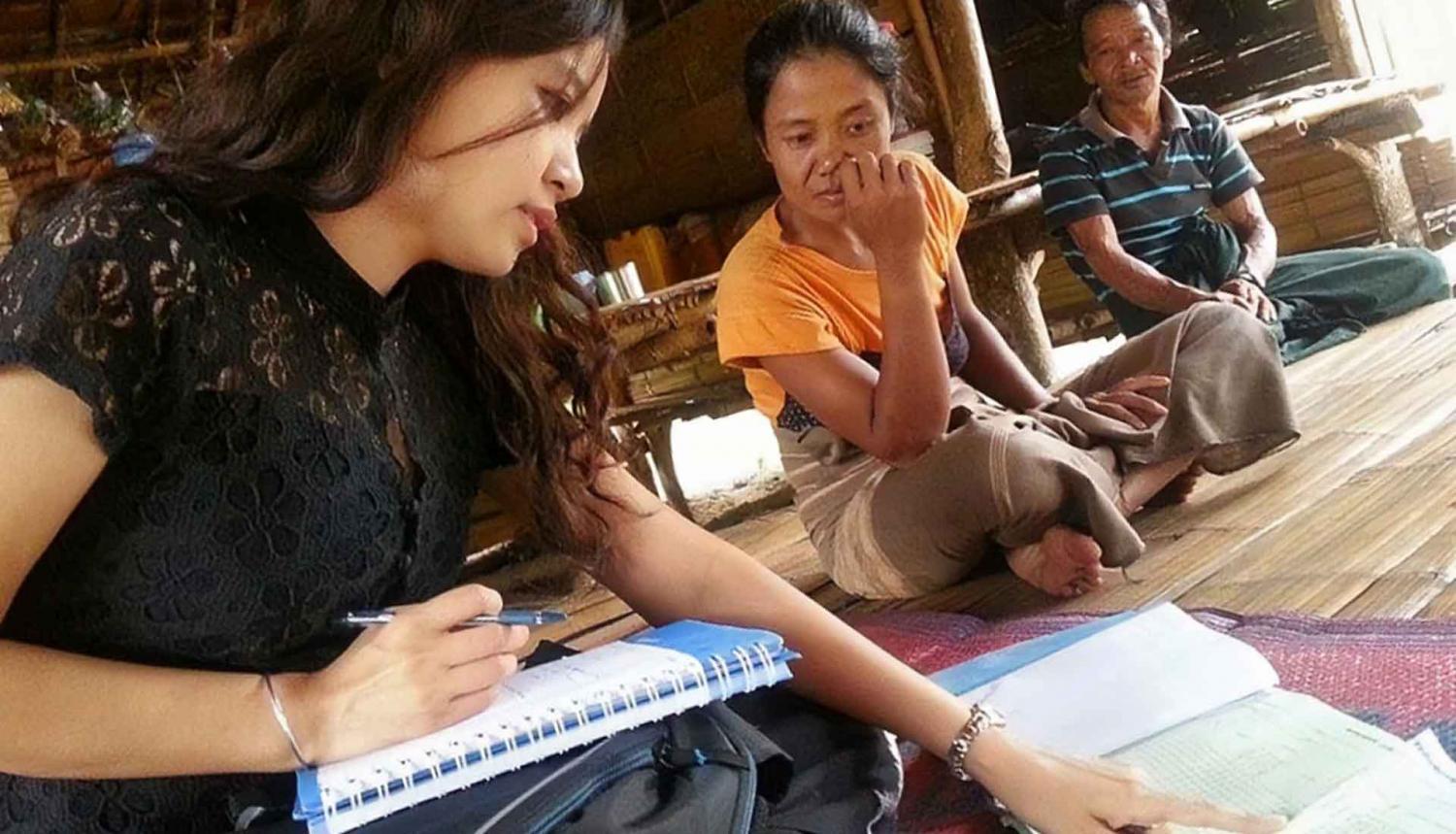
In August, Save the Children and UNOPS personnel carried out a joint monitoring visit to Shadaw township, where malaria is highly endemic. The team visited Daw Le Du and Pon Chaung migrant villages and talked to health volunteers who were themselves migrant workers.
“All the health volunteers we spoke to had good knowledge of malaria prevention, use of long lasting insecticidal bednets, proper case management and the referral of complicated and severe malaria cases,” said Dr Tin Me Me Aung from the UNOPS monitoring team.
“This will help prevent the further spread of drug resistant malaria,” she added.
The volunteer malaria health workers are part of Save the Children’s project to strengthen efforts to contain the spread of drug resistant Plasmodium falciparum malaria in the Greater Mekong Sub-region. Target groups are ethnic forest inhabitants, new forest settlers, local residents, plantation and construction workers, temporary migrants/mobile and cross-border populations with the goals to reduce malaria morbidity and mortality as well as to delay and contain spread of artemisinin resistance.