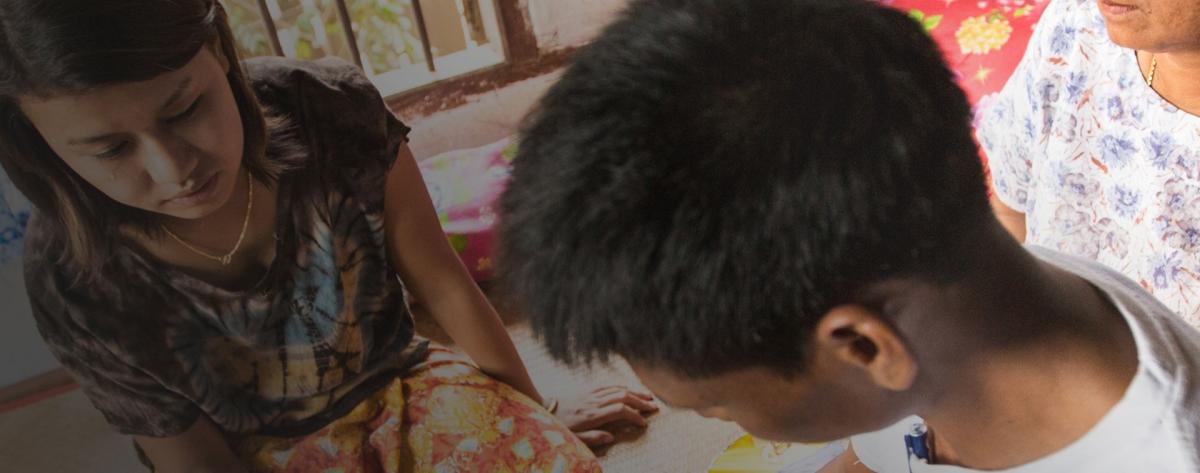
The majority of the population in Yebyu township, Tanintharyi Region live in remote villages where malaria is highly prevalent. Communities have limited access to malaria prevention and control services due to the remoteness of their villages and their low incomes.
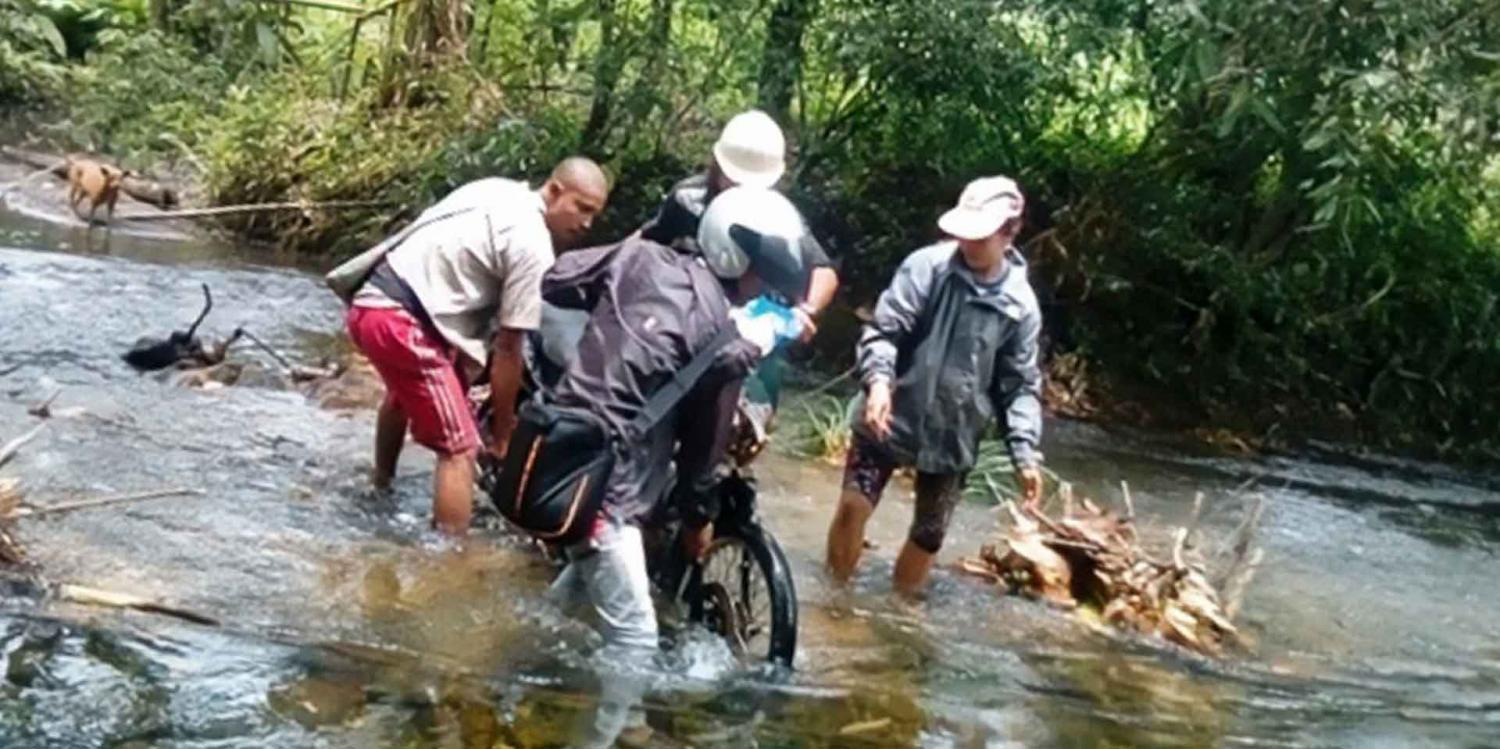
These villages can only be reached by foot or on motorbike during the dry season, and by boat during the rainy season.
Medical Action Myanmar (MAM) has been implementing its ‘Intensified Malaria Control in Myanmar’ project for those vulnerable communities in Yebyu Township with support from the Global Fund’s Regional Artemisinin-resistance Initiative (RAI) grant since 2014.
The aim is to reduce and interrupt malaria transmission in villages and the surrounding areas, where there are small settlements and workplaces where mobile and migrant populations live.
The project includes the distribution of long-lasting insecticidal bed nets, along with raising awareness of malaria, promoting preventive behaviour and providing early diagnosis of malaria using rapid diagnostic tests. It also involves ensuring effective treatment.
“Villagers are appreciative of the quality healthcare services for malaria and other common illnesses they receive from us,” notes Dr Han Min Htet Aung from MAM's malaria project of Yebyu Township.
MAM’s project also supports the National Malaria Control Programme and complements the existing health structures to reach vulnerable communities in uncovered and hard-to-reach areas of Yebyu Township.
Towns and larger villages are usually covered by the healthcare services of the Department of Health. Part of the MAM mobile malaria team’s work is to provide healthcare services at the request of the local health authority.
In May 2015, MAM’s Yebyu team visited remote villages in the township and the project has been successfully expanded to reach a total of 67 remote villages in the Township.
RAI-funded malaria diagnosis and treatment services have been further integrated with basic healthcare services for common illnesses, increasing popularity and promoting the uptake of malaria testing. Currently MAM is doing active case-finding of TB patients, providing nutritional support for TB patients, healthcare services for nine common illnesses, and distributing long lasting insecticidal nets.
“We often have to contend with difficult terrain, muddy roads, harsh weather, difficulty communicating with local villagers who have little knowledge of malaria and scarcity of food. The risk of being kidnapped by local bandits is another challenge that we have to face when travelling on a long mobile-team mission to remote villages,” explains Dr Han Min Htet Aung.
“Despite these challenges, we are determined to commit our time and service for the better health of vulnerable communities in Yebyu Township. It is worth all our effort and sacrifices, because our service will significantly contribute towards improving the health and wellbeing of the Myanmar population,” concludes Dr Han Min Htet Aung.
He trusts that the day all people in Myanmar will have access to adequate, affordable and quality healthcare services is not very far away.